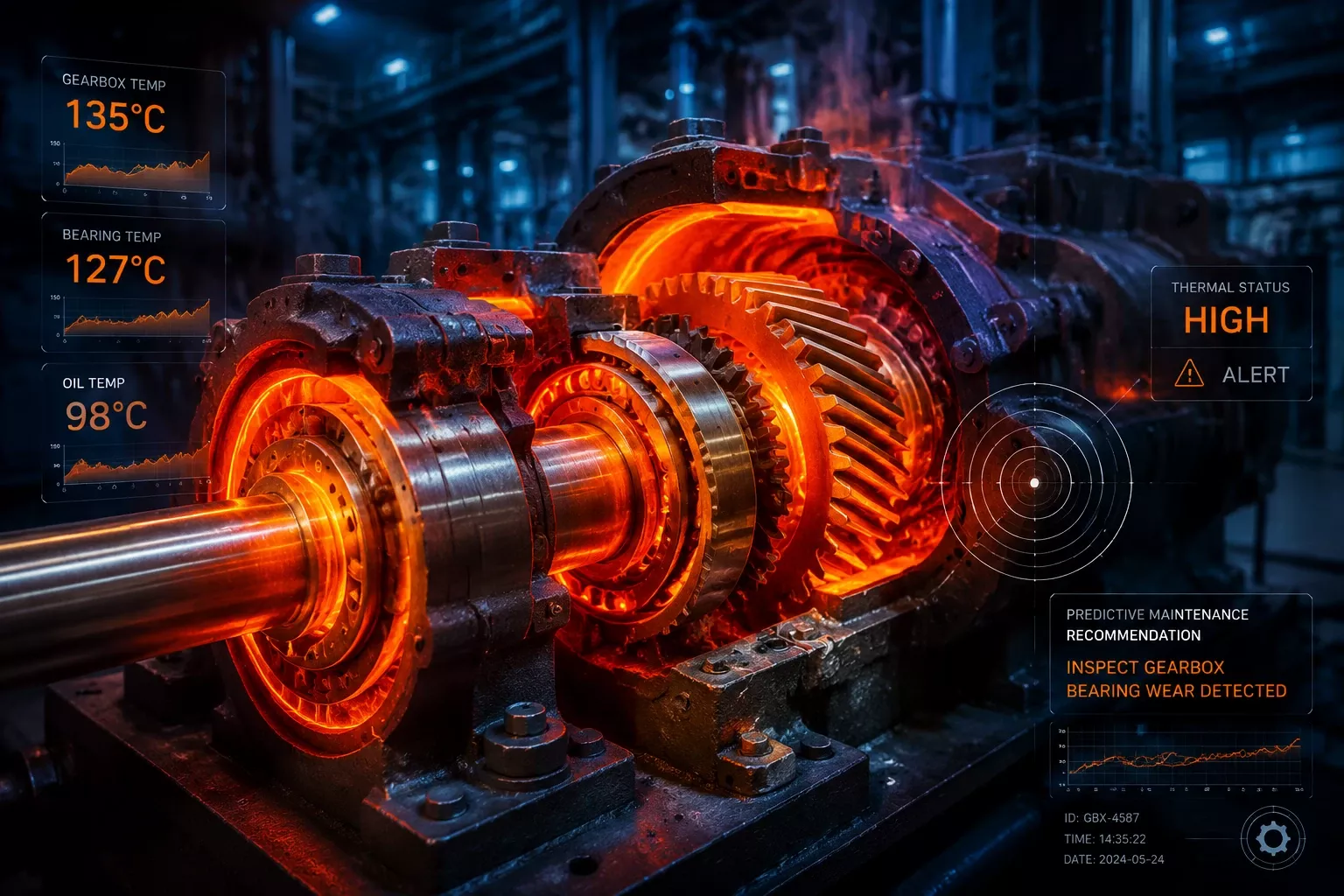
High‑Temperature Challenges in Power Transmission
Power transmission systems are essential components in industrial machinery, responsible for transferring mechanical power from a driver (such as an electric motor or turbine) to driven equipment like pumps, compressors, conveyors, and gearboxes. These systems often operate in demanding environments where high temperatures can significantly affect performance, reliability, and component lifespan.
Excessive heat in power transmission systems can lead to lubrication breakdown, material degradation, increased friction, and premature component failure. Understanding the challenges associated with high temperatures helps engineers design more reliable systems and implement effective maintenance strategies.
Why Temperature Matters in Power Transmission Systems
Temperature is a critical operating parameter in any mechanical system. When power transmission components operate above their recommended temperature limits, their mechanical and physical properties can change.
High temperatures may cause:
- Reduction in lubrication effectiveness
- Increased wear between contacting surfaces
- Thermal expansion of components
- Loss of material strength
- Accelerated aging of seals and polymers
In rotating machinery, even small temperature increases can significantly reduce the lifespan of bearings, seals, and lubricants.
Common Sources of High Temperature in Power Transmission
Several operational and mechanical factors can cause elevated temperatures in power transmission systems.
Friction Between Moving Components
Friction is one of the primary sources of heat generation. Components such as gears, bearings, couplings, and belts experience continuous contact and movement. When lubrication is insufficient or surfaces become worn, friction increases and produces excessive heat.
Overloading of Equipment
When machines operate beyond their designed torque or power capacity, the transmission system must handle higher mechanical stress. This leads to increased friction, deformation, and heat generation.
Poor Lubrication
Lubricants reduce friction and dissipate heat. However, when lubrication is inadequate, contaminated, or degraded, friction increases and temperatures rise rapidly.
Misalignment of Shafts
Shaft misalignment causes uneven load distribution on bearings and couplings. This increases friction and vibration, which in turn raises operating temperature.
High Ambient Temperatures
In industrial environments such as steel plants, power plants, or mining operations, surrounding temperatures may already be elevated. These external heat sources can push transmission components beyond safe operating limits.
Components Most Affected by High Temperature
Certain components in power transmission systems are particularly sensitive to heat.
Bearings
Bearings rely heavily on proper lubrication. Elevated temperatures can reduce lubricant viscosity and cause metal-to-metal contact between rolling elements and raceways. This accelerates wear and may result in bearing seizure.
Gears
Gear systems experience continuous sliding and rolling contact. High temperatures can damage gear tooth surfaces, degrade lubricating oil, and increase the risk of pitting and scuffing.
Seals
Seals are often made from elastomeric materials that degrade when exposed to excessive heat. Seal failure may lead to lubricant leakage and contamination.
Couplings
Flexible couplings frequently use rubber or polymer elements. High temperatures may cause these elements to harden, crack, or lose elasticity, reducing their ability to absorb vibration or compensate for misalignment.
Effects of High Temperature on Lubrication
Lubricants play a crucial role in controlling friction and removing heat from mechanical systems. However, temperature has a direct impact on lubricant performance.
At elevated temperatures:
- Lubricant viscosity decreases
- Oxidation rate increases
- Additives degrade faster
- Oil film strength is reduced
These effects can accelerate wear and lead to premature failure of transmission components. For example, many industrial oils begin to degrade rapidly above approximately 80–90°C (176–194°F).
Monitoring Temperature in Power Transmission Systems
Monitoring temperature is one of the most effective ways to detect early mechanical problems.
Common temperature monitoring methods include:
Infrared Thermography
Thermal cameras detect hot spots in gearboxes, bearings, and couplings without interrupting machine operation.
Embedded Temperature Sensors
Temperature probes installed in bearing housings or gearboxes provide continuous monitoring.
Oil Temperature Monitoring
Monitoring lubricant temperature helps determine whether the lubrication system is functioning properly.
Condition Monitoring Systems
Modern industrial systems integrate temperature data with vibration analysis and oil monitoring for comprehensive machine health assessment.
Strategies to Mitigate High‑Temperature Issues
Several engineering and maintenance practices can help control temperature in power transmission systems.
Proper Lubrication Management
Using the correct lubricant type, viscosity grade, and lubrication schedule ensures effective heat dissipation and reduced friction.
Improved Cooling Systems
Cooling methods such as oil circulation systems, heat exchangers, or external cooling fans can help maintain safe operating temperatures.
Precision Shaft Alignment
Accurate shaft alignment reduces friction, vibration, and unnecessary mechanical stress that can increase heat generation.
Load Management
Operating machines within their design limits prevents excessive mechanical stress and temperature buildup.
Regular Condition Monitoring
Implementing predictive maintenance techniques allows maintenance teams to detect abnormal temperature trends before serious damage occurs.
Conclusion
High temperature is one of the most significant factors affecting the reliability and longevity of power transmission systems. Excessive heat can degrade lubricants, damage mechanical components, and accelerate wear in gears, bearings, couplings, and seals.
By implementing effective lubrication practices, monitoring temperature trends, maintaining proper alignment, and controlling operating loads, industries can significantly reduce temperature-related failures and improve the overall reliability of their power transmission systems.
