Introduction
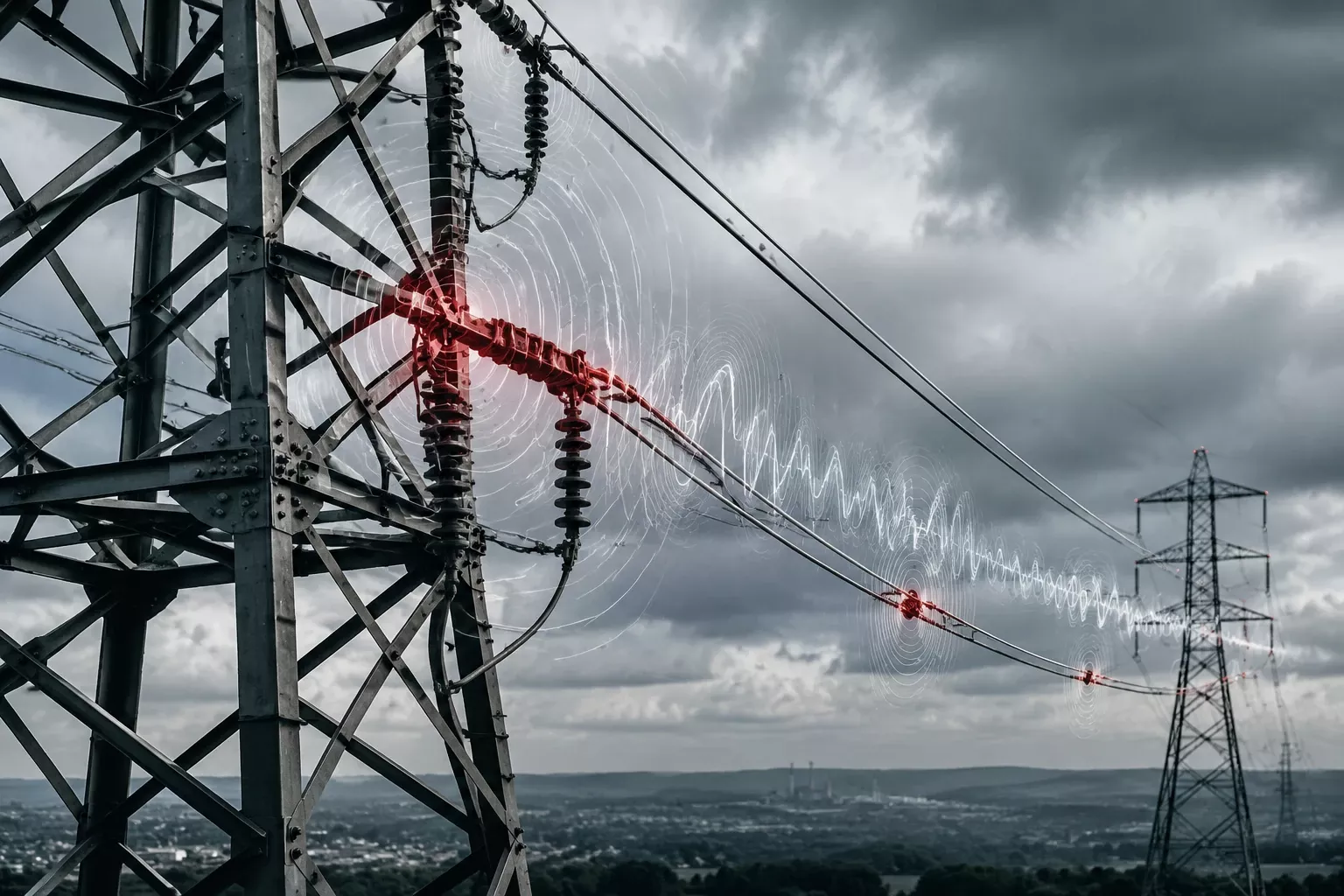
Power transmission systems rely on complex mechanical and electrical infrastructure to deliver energy safely and efficiently across long distances. While electrical faults often receive the most attention, mechanical failures in power lines are equally critical and can lead to severe operational disruptions, equipment damage, and safety hazards.
Mechanical failures may occur in various components such as conductors, insulators, towers, connectors, and supporting hardware. These failures often result from environmental stress, material fatigue, improper installation, or long-term mechanical loading.
Understanding the mechanisms behind mechanical failures in power lines is essential for engineers and maintenance teams responsible for ensuring the reliability and longevity of electrical transmission infrastructure.
What Are Mechanical Failures in Power Lines?
Mechanical failures in power lines refer to structural or material breakdowns that compromise the physical integrity of transmission components. Unlike electrical faults that involve current or voltage issues, mechanical failures affect the structural stability and physical performance of the system.
Such failures can disrupt power delivery, damage infrastructure, and in severe cases cause cascading failures across sections of the grid.
Mechanical failures commonly affect components including:
- Conductors
- Transmission towers
- Insulators
- Connectors and clamps
- Supporting hardware
- Crossarms and structural members
These components are continuously exposed to environmental forces and mechanical stress, making them vulnerable to gradual degradation over time.
Common Causes of Mechanical Failures
Several factors contribute to mechanical failures in power transmission lines. Most failures occur due to a combination of mechanical stress, environmental exposure, and aging materials.
Environmental Stress
Transmission lines operate outdoors and are exposed to harsh environmental conditions throughout their service life.
Environmental factors that commonly contribute to mechanical failure include:
- Strong wind loads
- Ice accumulation
- Extreme temperature fluctuations
- Lightning and storms
- Corrosion caused by humidity or salt exposure
Wind-induced vibrations can cause cyclic stress in conductors and fittings, eventually leading to fatigue damage.
Material Fatigue
Mechanical fatigue occurs when materials are subjected to repeated stress cycles over long periods. In power lines, conductors and hardware experience continuous mechanical loading due to tension, vibration, and environmental forces.
Over time, this repeated stress can initiate microscopic cracks that gradually propagate until structural failure occurs.
Fatigue failures are particularly common in:
- Conductor strands
- Suspension clamps
- Bolted connections
- Structural tower components
Regular inspection and maintenance are essential to detect early signs of fatigue.
Corrosion and Material Degradation
Corrosion is a major contributor to mechanical failures in power line components. Metal parts exposed to moisture, pollutants, or salt environments can experience gradual material degradation.
Corrosion weakens structural elements and reduces their ability to withstand mechanical loads.
Common corrosion-prone components include:
- Tower structures
- Bolts and fasteners
- Connector hardware
- Grounding systems
Protective coatings and corrosion-resistant materials are often used to extend the lifespan of these components.
Improper Installation or Design
Poor installation practices or design flaws can also lead to mechanical failures.
Examples include:
- Incorrect tensioning of conductors
- Improper torque on bolts and connectors
- Misaligned tower structures
- Inadequate structural support
If components are not installed according to engineering specifications, mechanical stress may concentrate in certain areas, accelerating failure.
Effects of Mechanical Failures in Transmission Systems
Mechanical failures in power lines can have significant operational and economic consequences.
Power Interruptions
When mechanical components fail, transmission lines may sag, break, or collapse, leading to interruptions in power delivery.
Large-scale transmission failures can affect thousands of customers and disrupt critical infrastructure.
Safety Hazards
Broken conductors or collapsing towers pose serious safety risks to workers and nearby communities. Mechanical failures may also increase the risk of electrical hazards and fires.
Increased Maintenance Costs
Unexpected mechanical failures often require emergency repairs, which are significantly more expensive than planned maintenance.
Preventive maintenance and early detection strategies can greatly reduce repair costs.
Cascading Infrastructure Damage
In some cases, a failure in one section of a transmission line can place additional stress on neighboring structures, causing multiple towers or components to fail sequentially.
Methods for Detecting Mechanical Failures
Modern power systems use several techniques to monitor the mechanical health of transmission infrastructure.
Visual Inspection
Routine visual inspections are one of the most basic yet effective methods for identifying early signs of mechanical damage such as corrosion, loose hardware, or structural deformation.
Drone-Based Inspection
Unmanned aerial vehicles (UAVs) are increasingly used to inspect transmission lines. Drones can capture high-resolution images and detect mechanical defects in areas that are difficult or dangerous for personnel to access.
Structural Monitoring Sensors
Advanced monitoring systems use sensors to measure mechanical parameters such as tension, vibration, and structural movement.
These systems allow operators to detect abnormal conditions before catastrophic failures occur.
Thermal Imaging
Thermal cameras can identify overheating connectors or mechanical components that may indicate loose connections or increased mechanical stress.
Preventing Mechanical Failures
Preventing mechanical failures requires a combination of proper design, quality materials, and proactive maintenance strategies.
Key preventive measures include:
- Designing transmission structures to withstand environmental loads
- Using corrosion-resistant materials and protective coatings
- Performing regular inspections and maintenance
- Monitoring conductor tension and vibration levels
- Replacing aging infrastructure before failure occurs
Implementing predictive maintenance programs significantly improves system reliability.
Conclusion
Mechanical failures in power lines are a major threat to the reliability and safety of electrical transmission systems. Factors such as environmental stress, material fatigue, corrosion, and improper installation can gradually weaken infrastructure components and lead to structural failure.
By understanding the causes and effects of these failures, engineers and maintenance teams can implement effective monitoring and preventive strategies. Modern technologies such as drone inspections, structural monitoring sensors, and predictive maintenance systems are helping utilities detect problems early and maintain reliable power delivery.
Ensuring the mechanical integrity of transmission infrastructure is essential for maintaining a stable and resilient power grid.
